
CROWDCARGO
OVERVIEW
PROBLEM
EARLY ITERATION
REDESIGN
LATER ITERATION
LEARNINGS
Overview
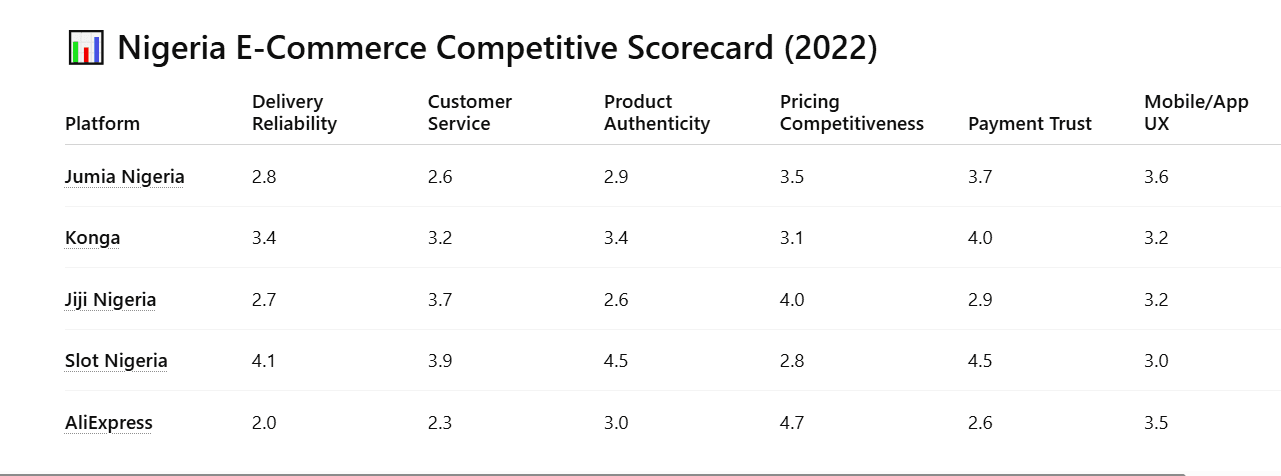
In 2022, online shopping in Nigeria was expanding rapidly, but delivery remained the weakest link. Customers faced long, unreliable shipping times due to poor addressing systems.
This disconnect inspired CrowdCargo. We set out not just to improve logistics, but to build a digital backbone that connects merchants, transport capacity, payments, order management, and last-mile fulfillment into one seamless system. By embedding commerce directly into the logistics layer.
Timeline
10 Months
My Input
Product Design
Prototyping
Testing
Design Team
Bakare Saffiyah
THE GAP / PROBLEM
Infrastructure gap between commerce & fulfillment
At its core, the problem was not just slow delivery, it was the absence of an integrated digital infrastructure connecting commerce to logistics. Nigeria didn’t just have a delivery problem. It had an infrastructure gap between commerce and fulfillment.
DESIGN
Early iteration
Our early iterations didn’t succeed. We started without a clear strategy, measurable objectives, or alignment across the team. After months of spinning our wheels, we stepped back, reassessed, and rebuilt the foundation with a focused brand and business strategy.
REDESIGN
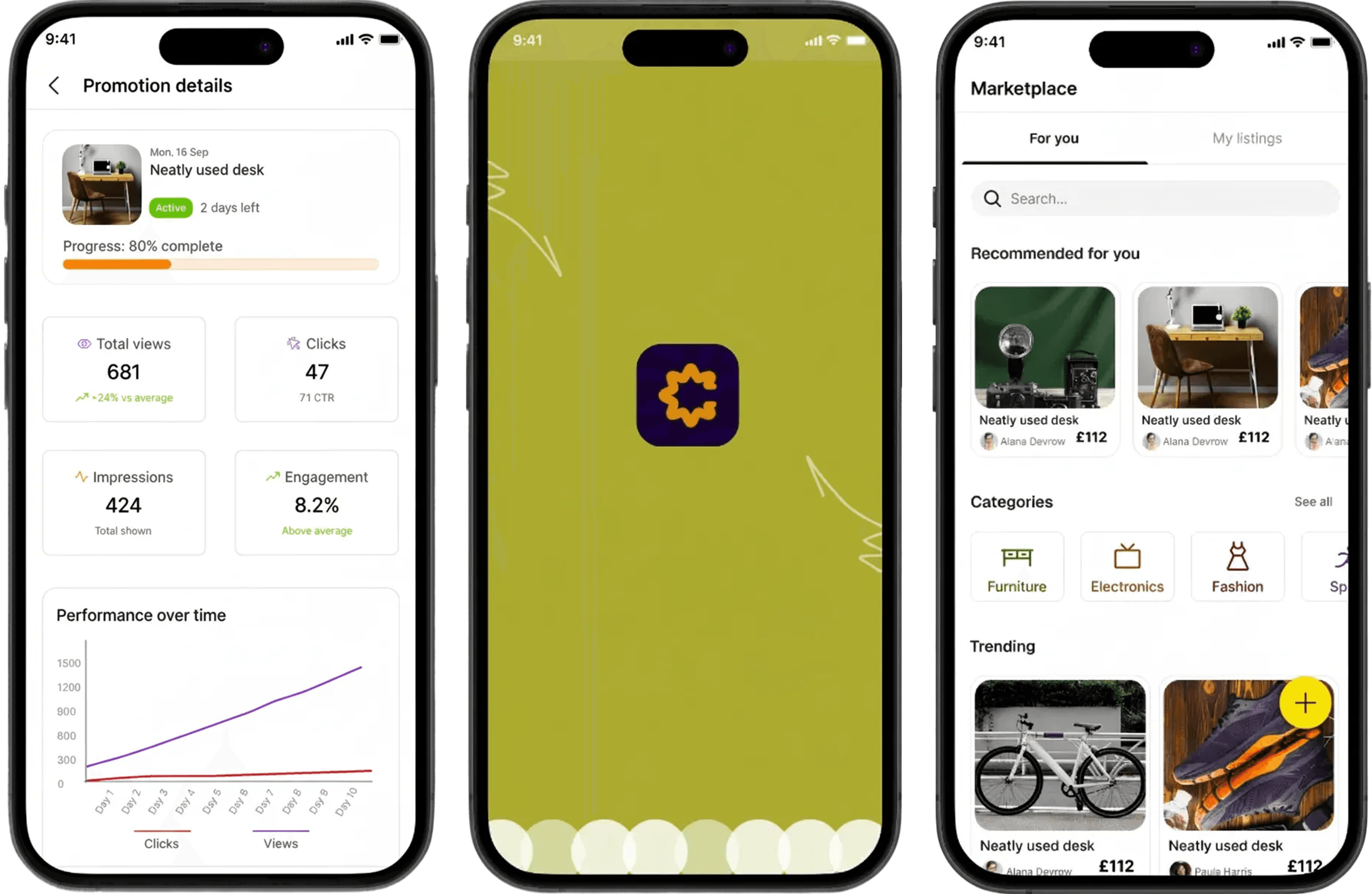
Later iteration 1 - Brand identity/ Onboarding redesigned constraints early
In subsequent iterations, we refined our brand identity and rebuilt the onboarding process to improve clarity, positioning, and user conversion.
LATER ITERATION 2
Marketplace / search & checkout
In the second iteration, we introduced a marketplace model with improved search capabilities and an optimized checkout experience to drive discoverability and conversion.
LEARNINGS
Key take aways
Real product is reliability, not interface.
SMEs don’t care about beautiful UI.
Riders don’t care about elegant animations.
Everyone cares about “Did it arrive safely and on time”.